

RESEARCH & ANALYSIS

Is There a Space Economy?
Questions concerning who provides space infrastructure, who regulates it, and under what conditions companies receive market access are becoming questions of geoeconomic power. Strategic autonomy in space is not cost-free, as industrial policy and regulation can generate pressure from allies whose companies benefit from existing market structures. [...] The objective should not be autonomy for its own sake, but that sufficient agency over strategically consequential dependencies, such as the ability to choose providers, establish rules, substitute capabilities, withstand disruption, and prevent another actor from exercising unacceptable leverage, be established. The next great expansion of European space demand may be easiest to see by looking outside the space industry, and space geopolitical risk will inevitably follow.
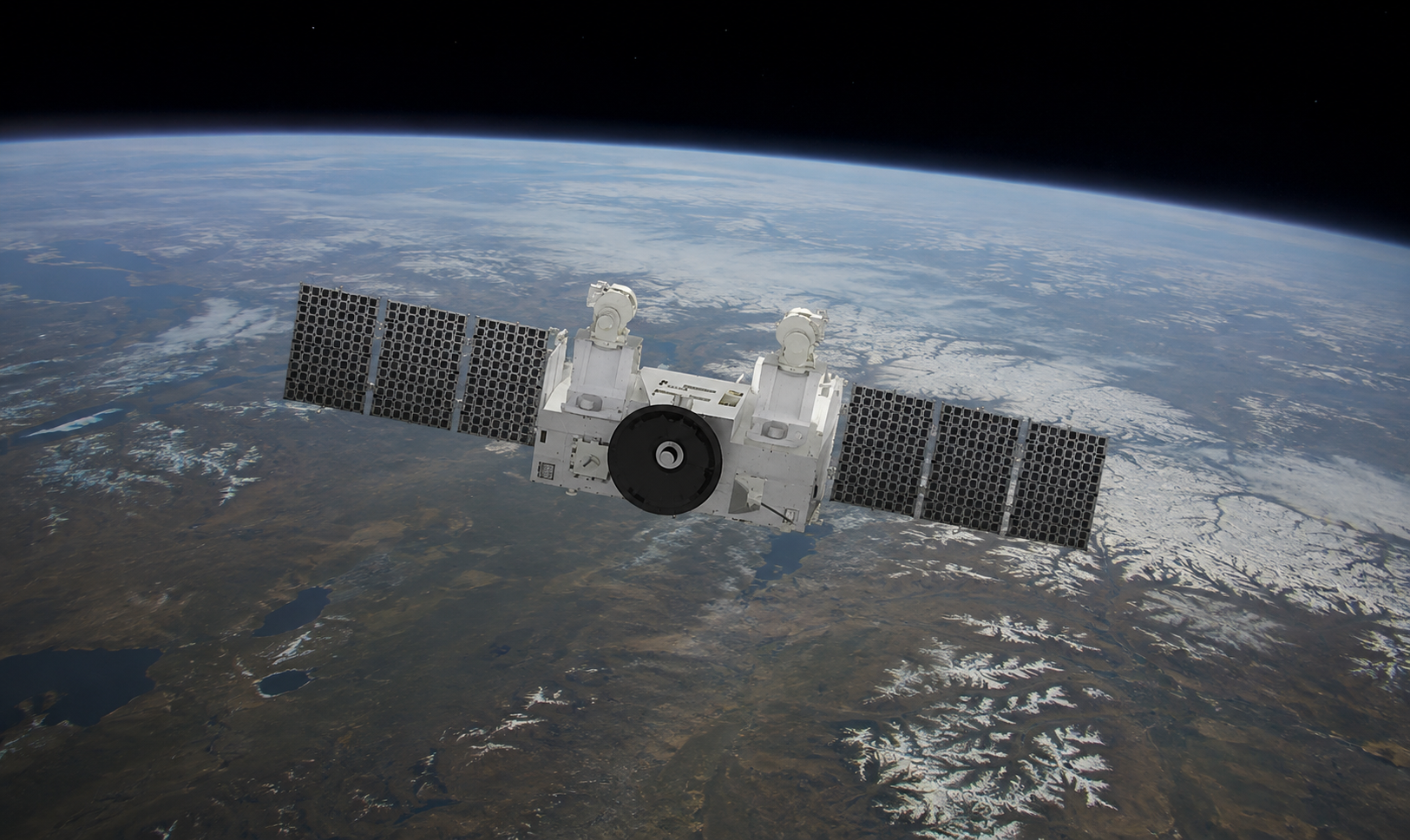
The Changing Character of Space Warfare and Its Implications
Stability is in the eye of the beholder, and agreements that reassure one side may constrain another or preserve an increasingly unacceptable status quo. The paradox, then, is that the growing technological sophistication of space warfare will place greater demands upon the ancient art of statecraft. Space superiority will not be a permanent condition that is achieved and then exploited, but an advantage that is repeatedly won, exploited, lost, and regenerated. The more military power depends upon space, the less states can afford to mistake a technical system for a political order.

National Security Space: Britain Has Found the Words, Now It Needs the Capability
Britain has developed an emerging theory of the problem. It increasingly understands why space matters, where the vulnerabilities lie, and what kinds of organisations may ultimately be required to address them. The establishment of UK Space Command, the National Space Operations Centre, the proposed space squadrons, and the new acquisition structures all point towards an institutional transition that is now underway, yet the capability transition remains incomplete.

Britain Needs Strategic Optionality in Space
In the twenty-first century, recognising that space matters is only the beginning; establishing and then preserving strategic optionality within it is the real test. If Britain delays that decision for too long, it risks surrendering more than capability. It risks losing the opportunity to influence the architectures, industrial partnerships, operational concepts, and technological standards that will define the future of European military space.

Beyond Space Domain Awareness: The UK Defence Investment Plan's Unfinished Theory of Space Control
Space is at the heart of the DIP’s thesis for autonomous and uncrewed systems on land, at sea, and in the air - and recognised as “the central nervous system of modern, high-intensity warfare.” British planners understand that future warfare depends upon control of the space domain. But throughout the Space chapter, the DIP moves between space domain awareness (SDA) and space control without clearly distinguishing between the two, almost as though they are interchangeable concepts. They are not.
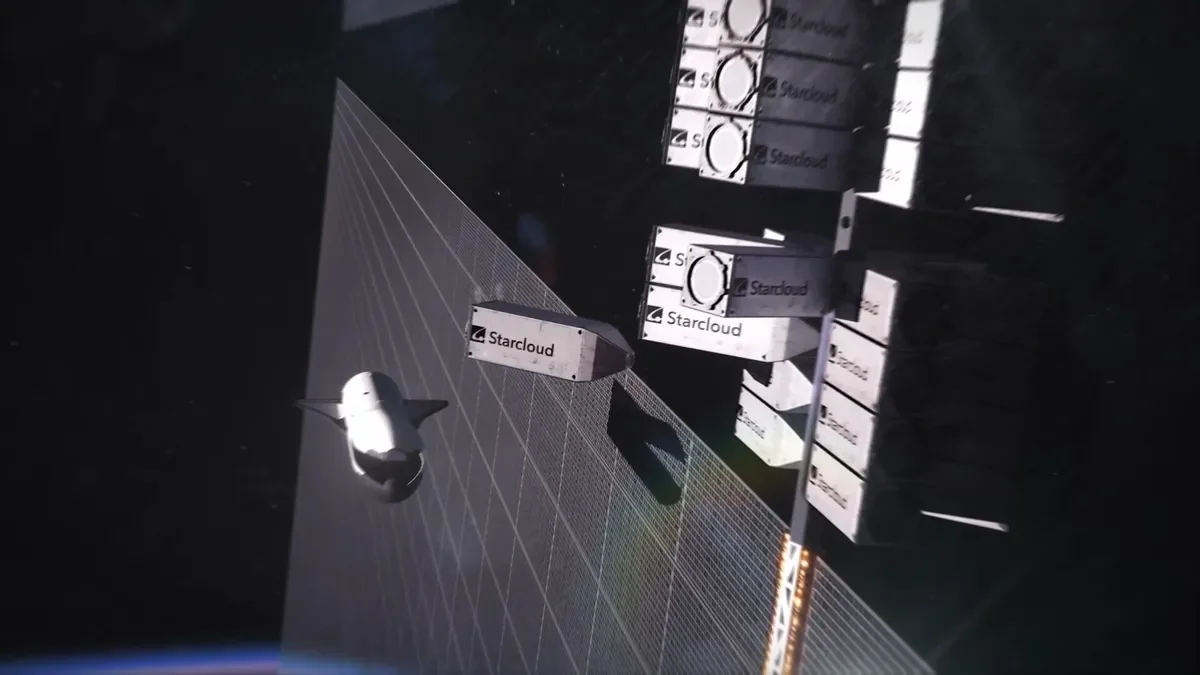
Orbital Data Centres: A Hard, Forward Look at Market and Geopolitical Realities
Instead of viewing ODCs primarily as competitors to terrestrial hyperscale facilities, it may be more useful to view them as foundational infrastructure for the emerging space economy. History suggests that transformative infrastructure industries rarely succeed by attempting to replace mature incumbents overnight. They succeed by solving a specific problem exceptionally well before expanding into adjacent markets. For ODCs, that first problem may not be cloud computing on Earth, but computation in space.

The Future of Space Risk: What Can Insurance Markets Tell Us
The space sector should spend less time focusing exclusively on what governments say they fear, and more time examining what insurers, reinsurers, and capital markets are quietly pricing.
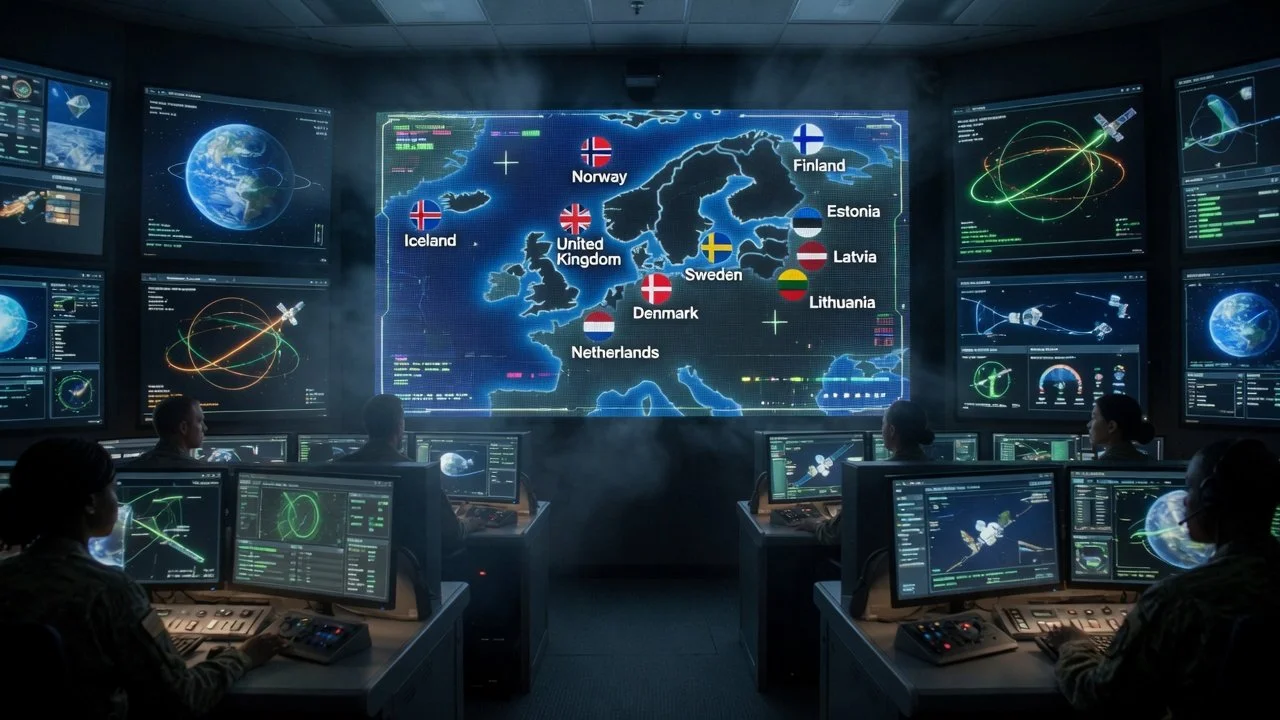
The JEF’s Missing Orbital Flank: Why the Joint Expeditionary Force Must Become Space-Minded
The JEF faces not only growing space threats against its space capabilities and space-enabled operations, but it is also home to some of the world’s most critical space infrastructure and some of the most advanced commercial space ecosystems. … The question is whether it can develop the strategic culture necessary to recognise and manage the orbital dimensions of Northern European security.

SpaceX's IPO and Geopolitical Risk: Why the Most Important Space IPO in History is Not Really About Space
The most important question raised by this IPO is not whether SpaceX will succeed. It is whether the future balance of power will increasingly be determined by those who control the core infrastructure of the orbital economy. This is the opening act of a much larger geopolitical story, and the strategic actors who recognise this reality first will enjoy a decisive advantage over those who continue to think of space as merely another industrial sector.
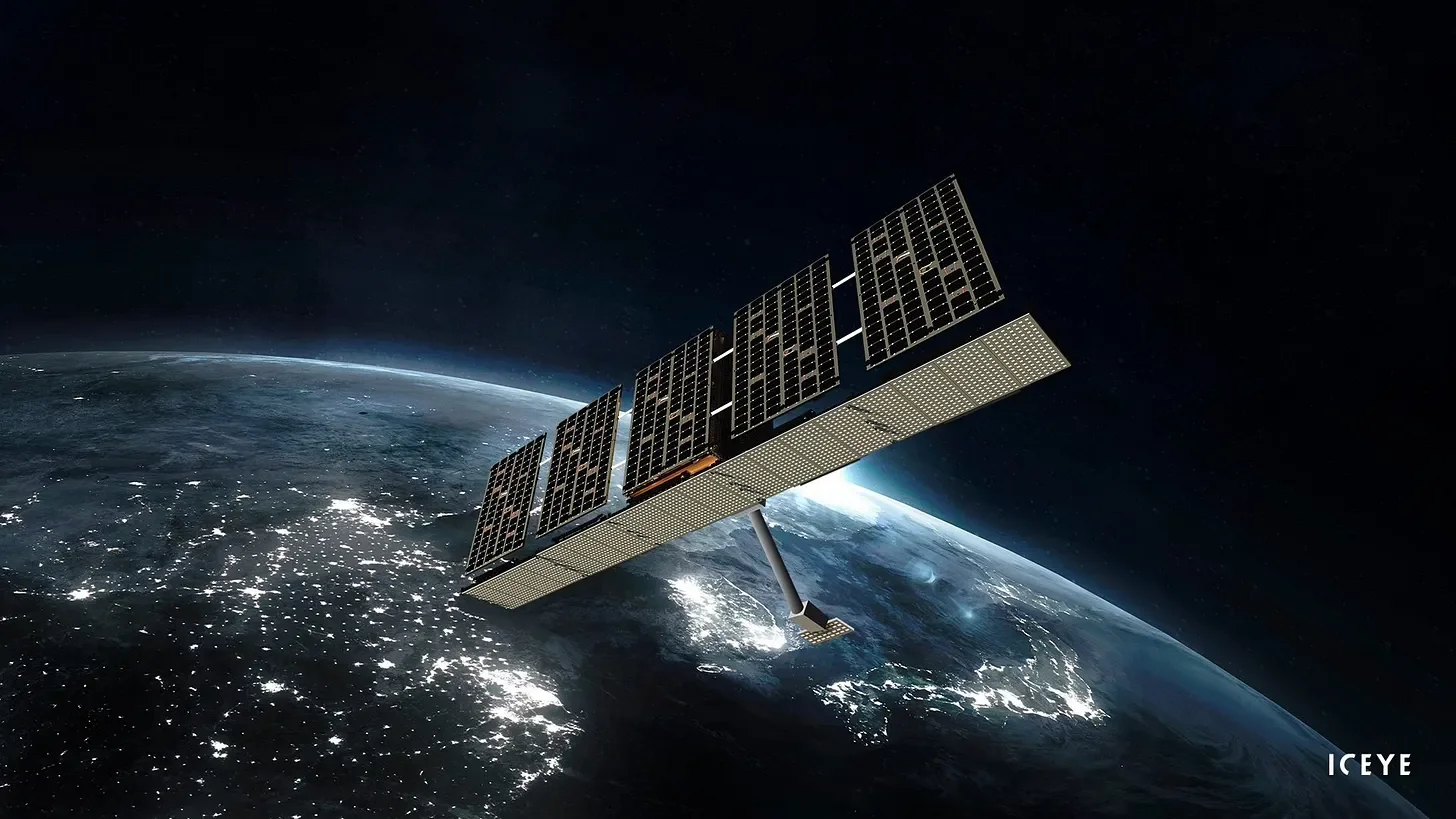
Russia, ICEYE, and Orbital Competition: Emerging Realities for Europe
Recent reports that multiple Russian satellites have manoeuvred near a commercial ICEYE synthetic aperture radar (SAR) satellite should not be dismissed as an isolated incident. Nor should the incident immediately be interpreted as evidence that Russia has developed a practical wartime doctrine for physically hunting commercial constellations satellite-by-satellite in orbit. The deeper significance lies elsewhere.